Field research
Tsavo Cheetah Project
Kenya has been identified as one of the last remaining strongholds for the cheetah, making it an essential refuge for the future of the species. Researcher Cherie Schroff and her team are evaluating the population and conservation status of cheetahs in the greater Tsavo ecosystem and implementing long-term conservation solutions, in order to ensure their long-term survival.
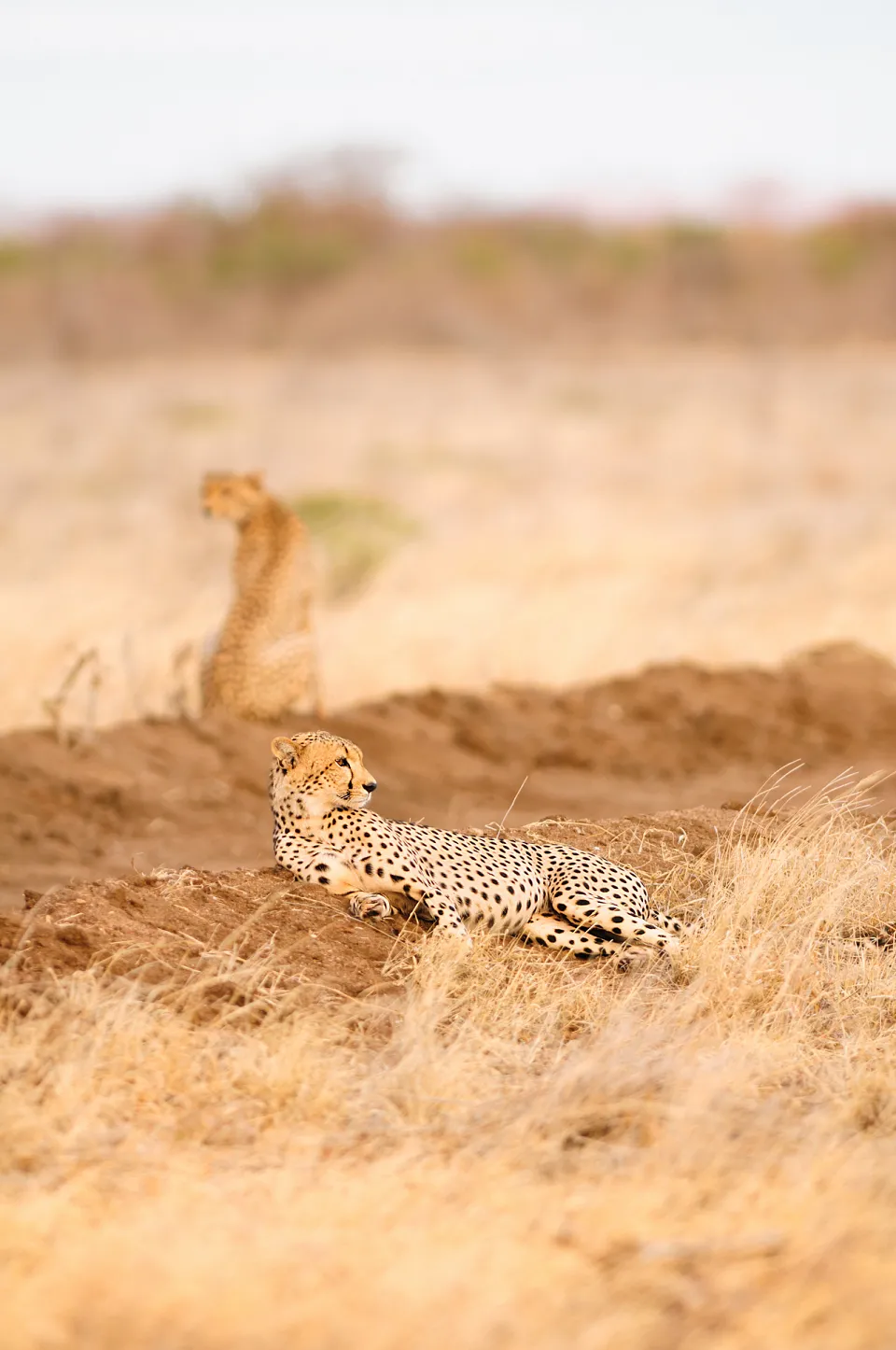
Conserving the future of the cheetah
Research
- Focus Species: Acinonyx jubatus (Cheetah)
- Location: Tsavo Ecosystem, Kenya
- Project Status: Ongoing
- Project Start: 2011
- Project Website: http://www.tsavocheetahproject.org
The cheetah (Acinonyx jubatus) is listed as vulnerable on IUCN's Red List of threatened species. With a decline in numbers throughout the species’ rangelands, remaining wild population strongholds occur in southern and eastern (Tanzania and Kenya) Africa. In Kenya, the cheetah is listed as an endangered species under the Wildlife and Conservation Management Act, 2013. The Tsavo Conservation Area (TCA), along with the Maasai Mara ecosystem hold the largest and most viable cheetah populations in the country, which show strong potential for connectivity with Tanzania's cheetah populations.
TCP's Wish List to Protect Tsavo's Cheetahs:
Fund a camera trap, with steel case, python lock and SD card: $280 (per unit)
Fund the salary of a Kenyan TCP research and conservation liaison officer on the private livestock ranch: $500 (per month)
Fund vehicle running costs for a full field day (setting / checking camera traps and working with ranch and conservancy rangers to protect the cheetah and its corridor): $50 (per day)
Visit the project facebook page for regular news updates, to donate and more. Get involved and learn more by signing up free here.
Downloads
Download Flyer Download Pamphlet
Objectives
The aim of the project is to protect and conserve the Tsavo ecosystem cheetah population for the long-term survival of the species. We work with residents, stakeholders, ranch staff and land owners, in addition to governmental bodies to foster the coexistence with local residents and influence wildlife laws and policies. The Tsavo Cheetah Project has an established Memorandum of Understanding with the Taita-Taveta Wildlife Conservancies Association, for fieldwork liaisons in Tsavo's conservancies and ranches, and private agreements with land owners.
Directed by National Geographic Society Explorer, Cherie Schroff, MSc., focused areas of research and programs include:
- Identifying individuals in the population for ongoing monitoring, demographic studies, and mapping of their movements to investigate conservation requirements and connectivity.
- Cheetahs are photographed when sighted and individually identified by their unique spot and tail patterns. Photographs are stored in a photographic database of known individuals and groups.
- Monitoring is conducted through direct sightings and camera trap captures. Natural signs of the cheetah (e.g., spoor, scent marking trees) assists in tracking and locating individual cats, mothers and cubs, and male coalitions.
- Verifying claims of livestock predation and providing assisted solutions, and verifying threats to the cheetah.
- Examination of the corpse of the goat, sheep or cattle to identify the predator responsible for the attack based on evidence of bite and tear marks, coupled with case-specific advice and on-site assistance on preventive measures to reduce or eliminate attacks on livestock.
- Opportunistic camera trap captures of cheetah presence and behavior in areas where livestock depredation has occurred or has been reported.
- Camera trap captures of cheetahs near construction sites, infrastructure, fencing and railways.
- Engaging local residents in education: Cheetah oriented education programs aimed towards both school children and adults are invaluable in these surrounding communities.
- Lessons on the physical identification and behavioral differentiation of the cheetah and other local cat species and the tourism value of which they play in fostering a healthy ecosystem.
- Through the project's A Tsavo Cheetah's Ecosystem program, visits to local primary and secondary schools, providing age-appropriate talks and grade level interactive activities on the cheetah and its ecology.
- Collaborative programs with ranches and conservancies; through the provision of cameras with built in GPS ,training of rangers and herders on camera usage and data recording for cheetah and predator sighting submissions,, and capacity building opportunities through training on research methodology, education on cheetah ecology and the importance of the species in the Tsavo ecosystem.
- Cheetah Scouts informant program: a 'happened upon' initiative commencing in 2016, where local Maasai provide us with confidential information on cheetah sightings, human- carnivore conflict and wildlife crime, through their expansive networks in the region. This information is then provided to the Kenya Wildlife Service.


Fund this project
Camera traps, collar batteries and lab work are what turn field hours into protection.